Invoice app and templates for plumbers
Call-outs, after-hours work, parts and a warranty on both. A good plumbing invoice shows the client why it costs what it does.
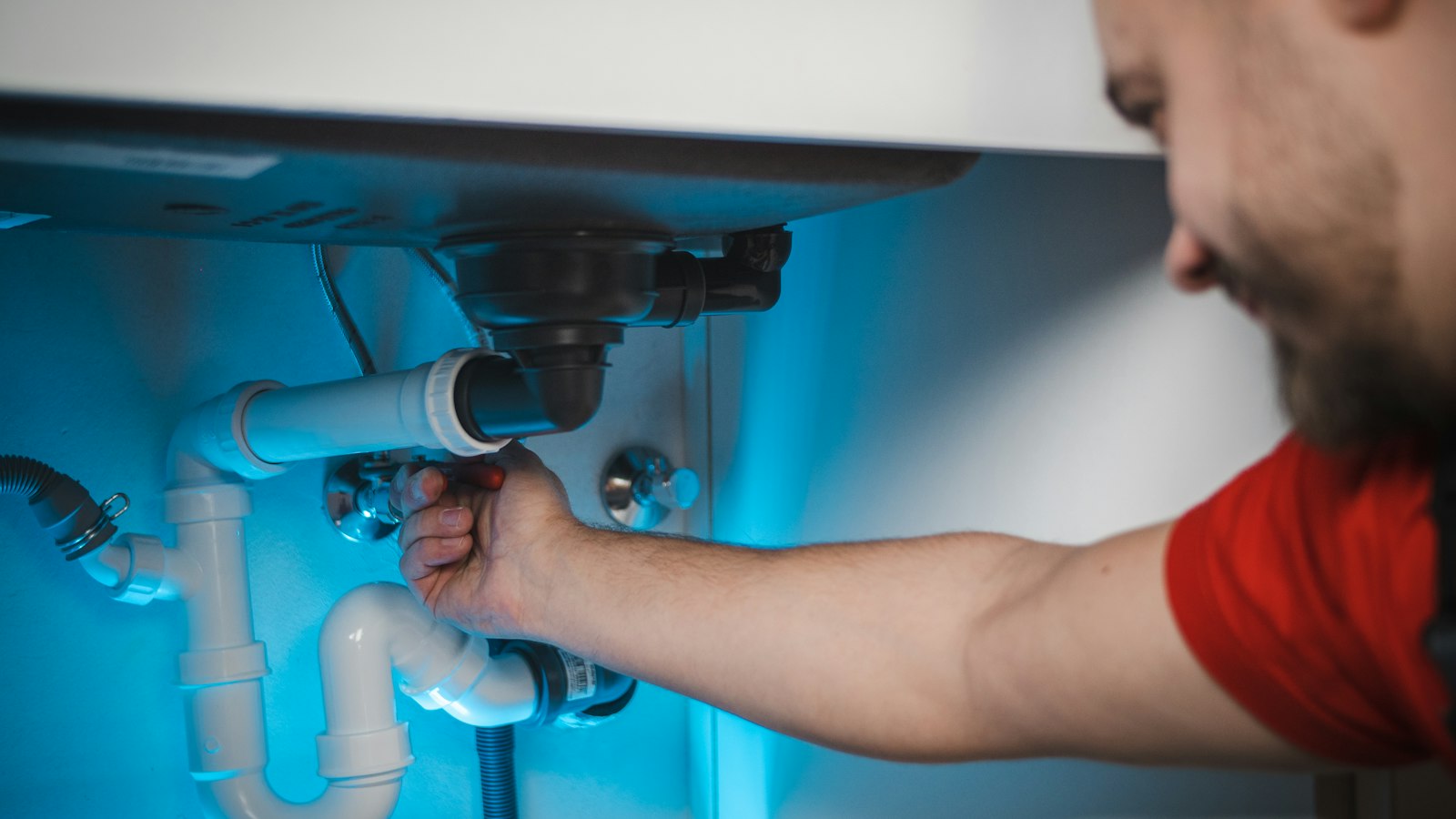
Plumbing is billed at a bad moment. The client has water where it should not be, or none where it should, and they are not comparing quotes. That makes a clear invoice more important, not less: the same urgency that gets you the job is what makes a vague bill feel like being taken advantage of.
What makes plumbing invoices different
- A call-out charge is part of the work. It pays for getting to the property and diagnosing the problem, even if the fix is small.
- Emergency and after-hours work costs more to deliver, and the invoice should say which rate applied.
- Parts are a large share of the bill and the client cannot judge their price, so itemising them builds trust.
- Some work is flat-rate and some is time and materials. Mixing them on one invoice is common and needs to be clear.
What goes on a plumbing invoice
- The call-out or diagnostic fee, and whether it is credited against a larger repair.
- Labour, with hours and the rate, and a separate rate for after-hours work if you have one.
- Each significant part by name, with quantity and price. Small fittings can be grouped.
- Any permit or disposal charge you pass through, shown separately from your own labour.
- A short note of what was done and any warranty on the work or parts.
Example: replace a kitchen faucet and clear a drain
| Item | Qty | Price | Amount |
|---|---|---|---|
| Service call and diagnosis | 1 | $85.00 | $85.00 |
| Labour, replace faucet and clear drain (hours) | 2 | $95.00 | $190.00 |
| Kitchen faucet, supplied and installed | 1 | $142.00 | $142.00 |
| Supply lines and fittings | 2 | $12.00 | $24.00 |
| Drain clearing | 1 | $65.00 | $65.00 |
| Total | $506.00 |
Total $506.00. The client can see the call-out, the labour and each part, so the total reads as a fair account of the visit and not a lump sum.
Three billing problems plumbers run into
An invoice that is one number
“Repair, $506” invites questions you then have to answer on the phone. Itemise once and the questions mostly do not come.
Warranty questions months later
If the invoice says what you did and what is covered, a return call is a short conversation. If it does not, it is a debate. Put the warranty terms on every invoice.
Parts bought at the last minute
Prices at the supply counter change. Add the part to the invoice at the price you paid plus your markup while the receipt is still in your hand.
Estimates, deposits and getting paid
Emergency work is usually invoiced on completion. For larger jobs such as a water heater replacement or a re-pipe, give a written estimate first and take a deposit when you must order equipment. Our guide on trip charges and service call fees covers how to charge for the first visit.
How Invoice Mint fits plumbing work
- Save your call-out fee, hourly rate and the parts you use most, so an invoice is mostly tapping.
- Send the invoice from the van as a link, while the job is fresh and the client is still thinking about the fix.
- Turn a written estimate into an invoice when a bigger job is accepted, without retyping.
- Track which invoices are viewed and which are paid.
How much do plumbers make?
In the United States, the Bureau of Labor Statistics (BLS) puts the median annual wage for plumbers, pipefitters and steamfitters at $63,800 as of May 2025, about $30.67 an hour. BLS lists plumbing, heating and air-conditioning contractors as the largest employer group, at 65 percent.
| Measure | Amount |
|---|---|
| The lowest-paid tenth earn less than | $44,150 |
| Median wage | $63,800 |
| The highest-paid tenth earn more than | $108,420 |
| Projected job growth, 2025 to 2035 | 7 percent |
These figures are for employees. BLS wage data does not include self-employed workers, so an owner’s income depends on the prices they charge, the work they win and the costs they carry. Say you want to take home the median, $63,800, and your van, tools, insurance, licence renewals and software cost $18,000 a year. If you can bill 1,200 hours (most of a self-employed year goes on quoting, driving, buying materials and paperwork), you need $68.17 for each billable hour just to get there, before tax and before any profit.
Do plumbers need a licence, and how long is the training?
In the United States, BLS says most states and some localities require plumbers to be licensed, usually after an apprenticeship and an exam. Most plumbers learn through a four- or five-year apprenticeship with about 2,000 hours of paid on-the-job training each year. Licensing differs between countries and regions, so check the rules where you work.
Taxes and costs when you run a plumbing business
For self-employed work in the United States, the IRS lists a self-employment tax of 15.3 percent, with 12.4 percent going to Social Security and 2.9 percent to Medicare. Estimated tax payments may be due quarterly. Costs that are specific to plumbing include:
- Licence renewals and insurance, which are a fixed cost whether or not you are busy.
- Your van and the stock of parts you carry in it.
- Specialist tools such as drain cameras, pipe presses and testing gear.
- Callbacks under warranty, which cost you time and are not billed.
- Disposal and permit fees you pay on a client’s behalf.
Rules in Canada, Australia, the UK and elsewhere are different, so check with your own tax office. A habit that works everywhere: move a fixed share of every payment into a separate account the day it arrives, and ask an accountant what share suits your income.
Free tools for plumbers
- Free invoice template for contractors and small businesses Free invoice templates in PDF, Word and Excel. Pick a style, add your lines and prices, and send a professional invoice. Open
- Free estimate template for contractors and small businesses A free, clean estimate template in PDF, Word and Excel. Fill in your lines and prices, send it, and win the job. Open
-
 Service price calculator
Free service price calculator. Enter hours, your rate, costs and a profit markup to see what to charge for the job.
Open
-
 Markup and margin calculator
Free markup and margin calculator. Enter your cost and a markup, margin or price to see the selling price and profit.
Open
Common questions
Should plumbers charge a call-out fee?
Most do. It pays for travel and diagnosis. Say clearly whether it is credited against the repair, and put the amount in your terms so the client knows before you arrive.
How do I invoice emergency or after-hours work?
Show the after-hours rate as its own line or note the rate on the labour line. Clients accept a higher rate when they can see it was applied on purpose.
How should I show parts on a plumbing invoice?
List each significant part by name with its price and group small fittings together. Add your markup into the price, not as a mystery fee.
Is there a free plumbing invoice template?
The free invoice template works for plumbing: edit the business details, items and terms, then download it as a PDF, Word file or Excel sheet.